
~ my book review of Metal Gear Solid: Guns of the Patriots (2008) by Project Itoh. The official novelization of the game created by Hideo Kojima. Mild spoilers. Review Structure: STORY x WRITING x PATHOS.
Synopsis: Solid Snake is a soldier and part of a worldwide nanotechnology network known as the Sons of the Patriots. Time is running out for Snake though, as he will soon succumb to the FOXDIE virus, but not before spreading the disease to nearly everyone he encounters, in essence becoming a walking biological weapon. Snake will need every advantage he can get, as the SOP network is about to be hacked by his old enemy Liquid Ocelot, and whoever controls SOP controls the world.
“Just live. Live with sincerity, respect toward others, and belief in yourself.”
~ Otacon
Story

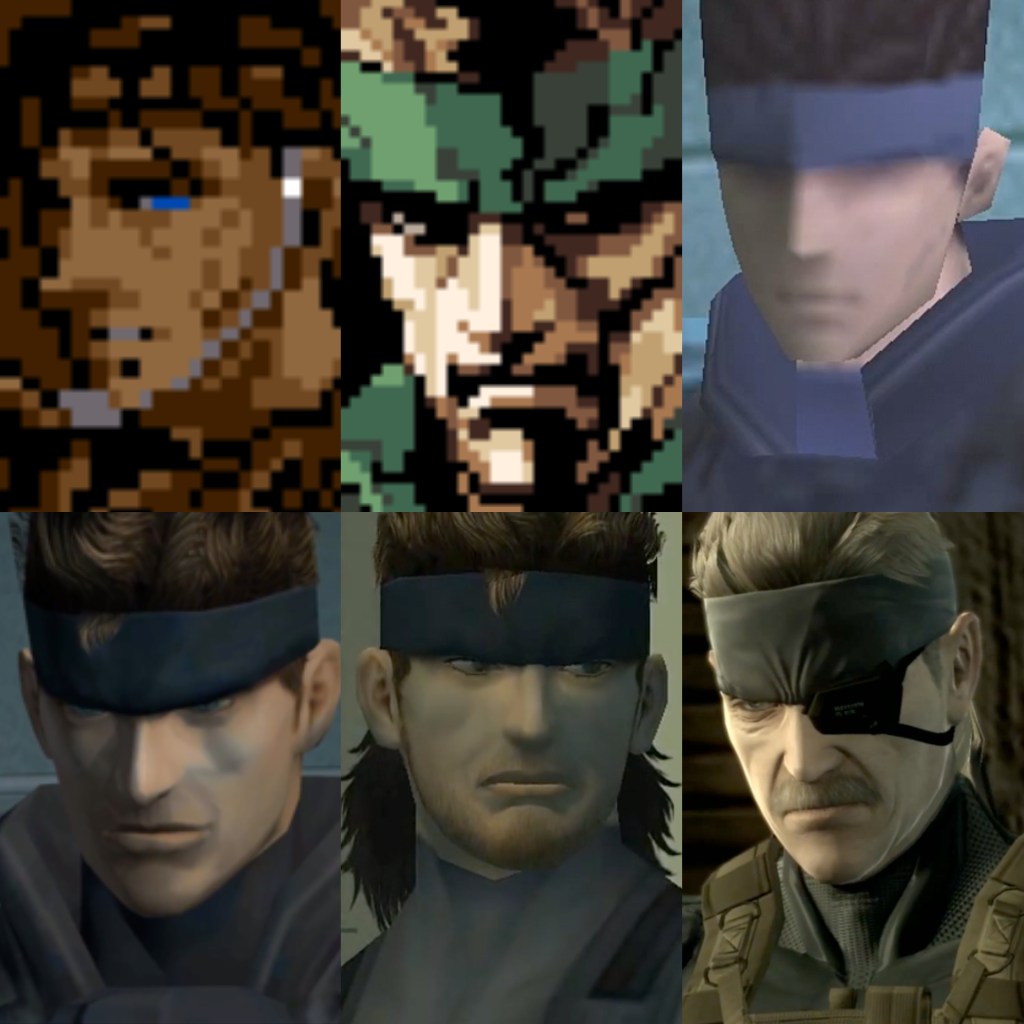
World War Forever. The story of Metal Gear, of snakes and their battles against the governments and the weapons of the world, is an endless fascination. I was first introduced to Metal Gear on the Game Boy Color via Babel, Metal Gear Solid 1 remade for the small screen. Later I played Metal Gear Solid V: The Phantom Pain near release on the PC. The 2020 Lockdown compelled me to return to Hideo Kojima’s science fiction x military-industrial complex thriller mythos with righteous verve. Over the course of about 6 months, I played Metal Gear Solid 1-4 + Portable Ops & Peace Walker via various PC emulators and imbibed the full saga. ~ Much the same, a reading of Itoh’s Guns of the Patriots novelization becomes like a full draught of the entire Metal Gear Mythos. The story is told via Otacon’s recounting of the history of Solid Snake, now Old Snake. Together, they engage in the operation of his last mission opposing his twin Liquid Snake and his Private Military Companies (PMCs). The MGS4 core plotline is backdropped by walls of exposition about David, or Naked Snake, and later Big Boss, and “The Boss” and Zero and Ocelot and EVA and Solidus Snake and back to Solid and Liquid themselves. Characters past and present coalesce to form the narrative foundation. At a rather accelerated pace, Otacon recalls the whole story like a reminiscing uncle after the war; his empathic perspectives on the heroism of Solid Snake stand out most ardently. He decries with true pain in his voice the extent of Snake’s sacrifice of life, limb, and worldly energy into the defense of the world against nuclear crisis. Metal Gear Solid 4 is the ultimate denouement of that mythos, where again a supernatural monomaniac, Liquid Ocelot, threatens to control the world via the wielding of its most powerful weapon. In this case, it is the “Guns of the Patriots,” or the perfect control of the soldiers of the world’s manifold wars. With mercenary armies running rampant in wartorn regions and the War Economy thriving, The Patriots run the modern world like the mafia, using precise bullets and widening coercion. The U.S. military power is their weapon, this includes nuclear weapons but perhaps more importantly the people in every branch. Human capital, in fact, has always been the focus of Metal Gear’s plots. Liquid’s goal is to bring the Sons of the Patriots (SOP) system under his control, stealing it from The Patriot A.I. and utilizing it for his own purposes, ultimately to free the soldiers from under its cellular yoke and yet control the world using their subsequent loyalty as leverage. Solid Snake must venture against fellow soldier Liquid, with Otacon as his constant guide and assistance from Colonel Campbell, Meryl, Raiden and more occurring throughout the adventure. Snake runs against a rival gauntlet of spycraft and hot and cold warfare around the globe. All the final secrets and transformative outcomes of the Metal Gear mythos and its cast of characters shall be revealed.

Excerpt: A few men, known as operators, were mixed in with the soldiers jostling about on the backs of the trucks. Most of the soldiers were local militiamen of varied experience and training. The operators had been sent by PMCs, or Private Military Companies, to organize the rabble into a disciplined fighting unit. My friend was there in the guise of one such operator. He registered with the local PMC and came to the battlefield as a mercenary. PMCs were the enterprise of turning war into a living—the enterprise of providing the means to make war. PMCs offered the tools of waging war to any who sought them.
Writing

Contemplative yet Action-Packed. Project Itoh’s personal story is a wonderful one. I first learned of him through Hideo Kojima’s book The Creative Gene (2021). In sum, hardcore fan meets Hideo at an event for MGS2 and later they become friends and share work. When the novelization for MGS4 was being planned during the development of that game, Itoh was contacted by Kojima about it. As a clear scholar of the lore, his unfolding of the Guns of the Patriots story feels natural and engrossing. We are instantly carried off into the world of Old Snake’s last mission, smoking under cloak on an errant mercenary truck in the Middle East. From there, we are met with tactical espionage action in novel form, which can be thrilling and even erudite with respect to weapon codenames and militarized acronyms for near-reality sci-fi technologies like nanomachines. Itoh’s telling is marked with extensive exposition, sometimes to a pulpy and overwrought degree. There’s a level of literal *telling* of Snake’s history, including constant emotional maintenance from Otacon’s own painful psychology given his traumas and lost loved ones. But we always return to the action, to the next sneak mission that Snake must undertake with wry remark. He is dying and we are watching his Last Dance. Indeed, Big Boss’ lineage of Snakes and spies are like the Michael Jordan(s) of soldiering (including Raiden, or Jack, who gets several wonderful action sequences here). Overall, Project Itoh’s pen provides us with a lovely exploration of Otacon’s interiority and a full view of the old soldier boy’s final mission.
Excerpt: Liquid lay on Haven’s bridge, his face to the sky. His body pulverized by Snake, Liquid’s voice was feeble, and Snake strained his old, worn-out ears to listen. “America will descend into chaos. It’ll be the Wild West all over again. No law, no order. Fire will spread across the world.” What Snake had destroyed was not only a prison, but the chains that tethered the beasts called humans. The Patriots had attempted to restrict and control the world. They had guided and used the people, so each was compelled to action under the pretense of free will. Yet in a certain way, the Patriot AIs were only possible as a projection of ourselves. The AIs, as the ultimate storytellers depicting the world around us, were our very own norms, customs, and lives. People, as a group, followed customs without thought. That was the true strategy of the Patriots.
Pathos

Metal Gear Denouement. Guns of the Patriots is about closure. And it is about death. I wrote extensively on MGS4 and each of the mainline Metal Gear games previously. What I love most about MGS4 are the continuous meditations the experience gifts the player (or reader) on rich and philosophical topics. Economies of war. Imperialism and the machinations of the military-industrial complex. Soldiers fighting for ideals and soldiers with absolute loyalty; soldiers controlled via their very cells. What is one ever really fighting for? A nation, a tribe? Their own future? How do accumulated sins on souls and nations pile up? Redemption may come only in the resolution of doing the right thing, no matter to odds or the consequences to life and limb. Guns of the Patriots is about Solid Snake doing One Last Job, yes, one that is more than likely to dramatically cost him his life, double-yes, but it is also about how we can come to build bridges with the ones we trust to carry on our legacy. Philanthropy and fighting for truth and freedom are possible and effective. In truth, for players of Metal Gear Solid 4: Guns of the Patriots on the PS3 (or via emulation), this book is like a living movie in the mind for vivid reels from the in-game cutscenes. Snake’s battles with the Beauty and the Beast Unit are cut in order to focus on clashes with Vamp, Liquid, and the various Gears; portions of mission gameplay are shortened or explained away. The book is not too long and this serves the story being told. Snake’s heroism and Otacon’s introspection remain the focus, alongside the legendary histories of characters like The Boss, Big Boss, Big Mama, Ocelot and Naomi and Raiden and even Zero. Golden explorations into the key persons of interest within the saga take place throughout. Itoh’s impassioned expressions into these integral characters urge the Metal Gear story into a most satisfactory endgame. Rest in peace, Itoh. Thank you and Godspeed.

Excerpt: Founded by a legendary mercenary who roamed the world’s battlefields during the Cold War, the company was revolutionary, even when considering the history of conflicts that had followed World War II. In the chaos that came with the end of the Cold War, Outer Heaven announced to the world that war didn’t have to be between the armies of nations. The man who had destroyed that organization was sitting in the military truck, an old soldier exhaling cigarette smoke. He leaned against his propped-up AK, ready to throw himself once more into the flames of war, whipping every last ounce of life out of his relentlessly aging, improbable body. His name was David. He was the son of Big Boss—the legendary mercenary and founder of Outer Heaven. David was also a legend. In the secret histories of war, he was known as Solid Snake. ~
⭐⭐⭐⭐ 4 / 5 stars


 Thresholds of Transformation