~ my short guide on organizing your world-building for novels, TTRPGs, or other creative projects. (1400 words | 5-7 min. read)
I wanted to write something about world-building. Partly because it is so important to me as an author and partly because I need to better establish my best practice for my own future reference.
Writing Process: When I start a novel, I begin by brainstorming the world. I must have an understanding of place, history, and the powers-that-be in order to start exploring the story itself. Much of the world-building blocks are structured by what the plot demands, thus the chapter-by-chapter outline is worked out in tandem. In this way, the plot and the world end up recursively influencing one another into a more cohesive whole.
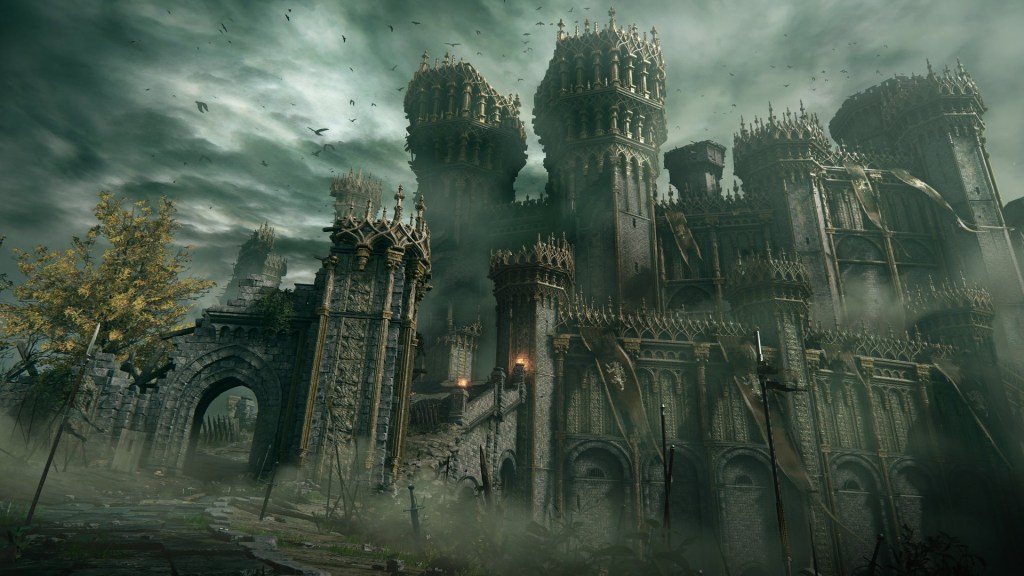
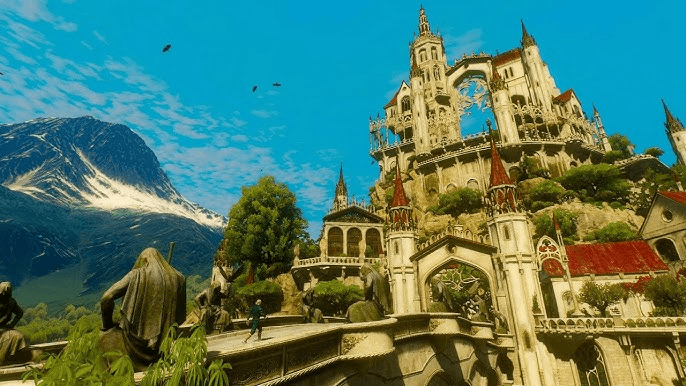
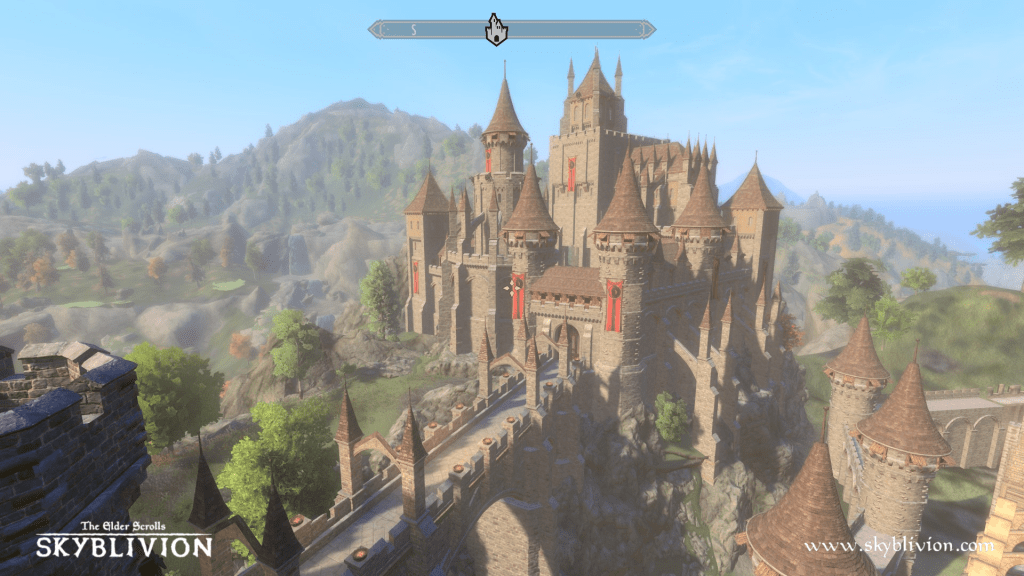
Guide Purpose: With this guide, I wish to speak of world-building as itself a Castle. Walls, foundation, chambers, a tower, the dungeons, manifolding crenellations, etc. In castle architecture, crenels are the flourishes off the walls and at the tower peaks; embattlement crenellation presides everywhere in complex castle design but especially underneath the gutters and gargoyles that help give the castle its distinctive style.
Here is my quickened guide to world-building, going crenel by crenel.
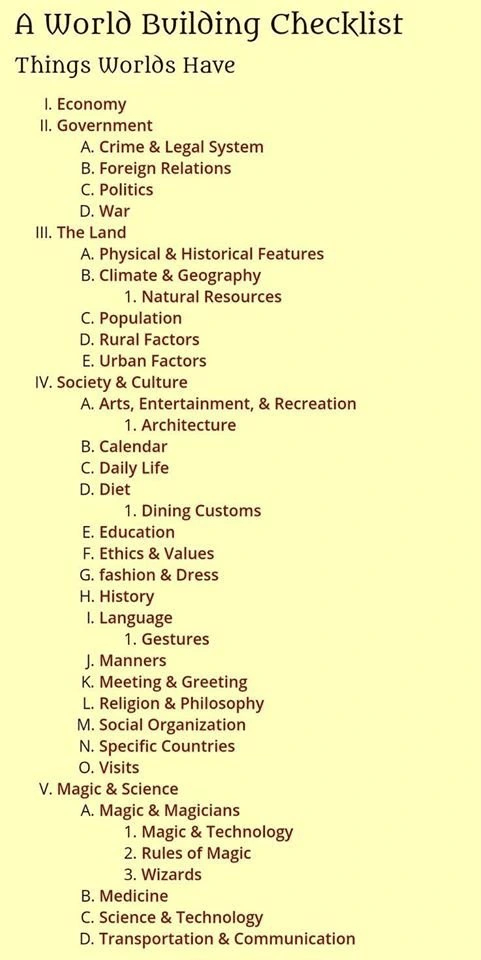
World-Build Table of Contents {Castle Element}:
- Map {Foundation}
- History {Walls}
- Factions {Halls}
- Institutions {Chambers}
- Mythos {Artifacts}
- Forces {Thresholds}
- Systems {Tower}
- Taboos {Dungeons}
- NAMES {Banners}
/ \ | [ NAMES ] |
| | | Banners🏴 |
| | \___________/
| | /_____\ |
| | _ /_____\ ___|_____
| | | SYSTEMS |
| | | Tower🗼 |
_______|___|________|_____________|_______
| |
| [ 🔙HISTORY ] [ FACTIONS ] [ HISTORY🔛 ] |
| 🧱Walls Halls🧑⚖️ Walls🧱 |
| ______________________________________ |
| | | |
| | [ INSTITUTIONS ] | |
| | Chambers⛪ | |
| | | |
| [FORCES] { [ MYTHOS ] } [FORCES]|
|Thresholds⛩️ 🔮Artifacts🏺 ⛩️Thresholds
|_______|______________________________________|_______|
| |
| [ MAP ] |
| Foundation🌍 |
|______________________________________________________|
| |
| [ TABOOS ] |
| Dungeons🩻 |
\__________________________________/
Map: The Territory of Your Story
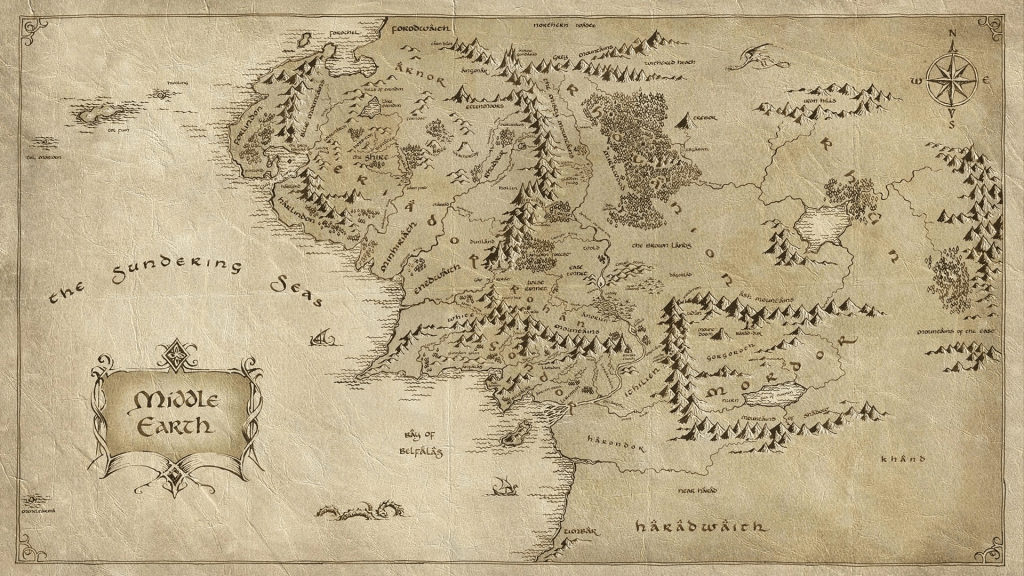
Drawing the map ensures you create and locate the major places of your story. Whether this is a planet or a country or a city or a pocket dimension — you should make a map of your world beyond your mental one. The map helps one imagine and perceive the coming events of the story (even if some places you never get to go to — they still exist out there). // Great spot to start your outline from. Here is where you consider Geography (and Psychogeography).
History: Events & Revolutions & Evolutions
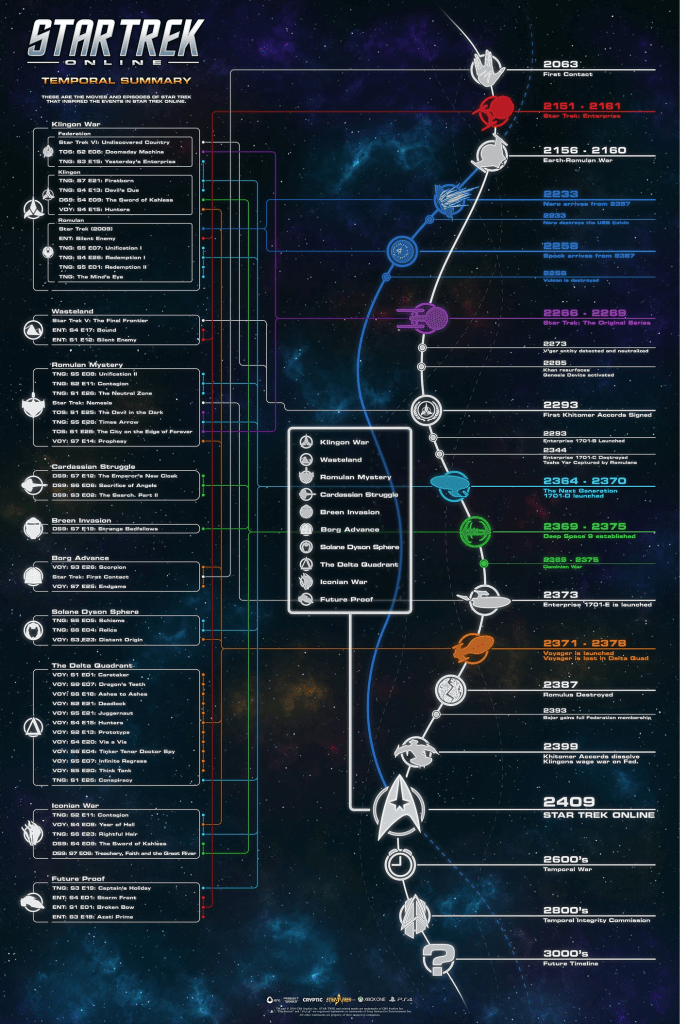
Lay out the major events of your world’s timeline. How did the cultures develop? The make of technological breakthroughs or political revolutions will help inform your story in a number of ways. {I start with: 1,000 | 500 | 100 | 50 | 5 years ago wiki-like entries.} Even if your plot does not cross into world-shaking political stakes, it is always important to understand how your world’s present geopolitical order came into being. History includes character backstories and family lineages too. If you take modern history’s general flow, then make sure to know the big events. // If you are doing some post-humanism in your story, consider how the consciousness or body of the human (or other sapient) being has evolved within this other-world. What was the big breakthrough? Bio-engineering? Morphic resonance made manifest? Aliens??
Factions: Philosophical Warfare
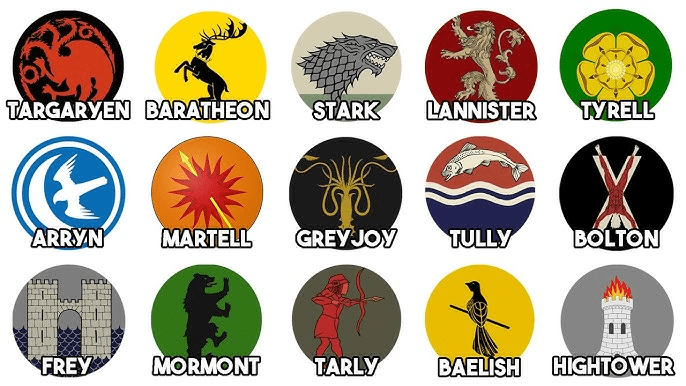
Developing the major factions will indirectly help shape plot points and character philosophies. Political factions in particular may be most relevant, so shape them reasonably (or humorously). I must think of the factions of a fantasy plot {humans vs. orcs; house vs. house} or sci-fi plot {humanists vs. transhumanists; humans vs. aliens} as ultimately an ideological conflict. In one way or another, the factions’ countering actions should represent thrilling dialectical challenges — old vs. new / individualist vs. collectivist / brains vs. brawn. // In my view, enemies create each other’s fates and spur on self-improvement via synthesizing conflicts. Read Hegel and Nietzsche for more on that way of thinking.
Institutions: Powers-That-Be
Similar to factions, institutions differ in power-level and formalized purpose. Where factions are more philosophy-based (in my conception), Institutions are true governing bodies. They handle inter-generational rulership and production of goods and services. Nations, governments, corporations are all institutions (and so are shadow governments, secret societies, the military-industrial complex). Institutions ultimately have significant power over your economy and political process. Whatever suits you and the story you are telling, consider the initiation process and overall decision-making apparatus and the various ethos (or egos) in play. Importantly, institutions should also include major religions. The church is an important element in all human stories. So are prisons, the justice system, and how your society deals with criminals or outsiders. // Institutions are a BIG factor in how a world is shaped. Just remember: Your world’s priesthood and lawmakers and judges and military are dictated by people with personalities and agendas and strategies and secrets.
Mythos: Intertangling Stories
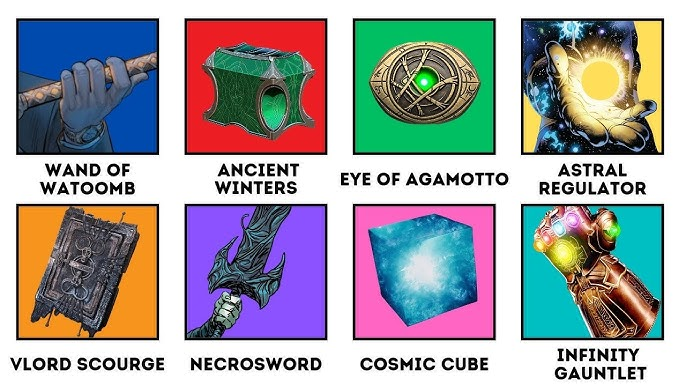
Mythologies, Gods, Traditions. {Ancient artifacts.} Books, Movies, Media. What do the people believe? How do they consume and create art? Which stories are they willing to live and die for? Who are the great bards of the past and present? {How do I, a humble author, create a God??} Your world’s mythos must come to partially reflect history and aesthetics and personality and your desires as an author. How such Gods, ideas, items, and prospective plot devices are used in your story begins with the question of why they exist in the first place. // Lot of fun brainstorming to be had here with the construction of the mythos inside of your phantasy civilization. What will you focus most of your creative energy on?
Forces: Pressures x Fractures x Flashpoints x Crises
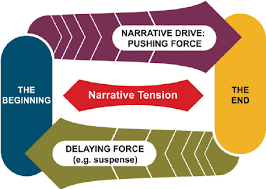
Every narrative has social changes, cultural shifts, and geopolitical games. These *Forces* include various subjective elements I have coined as such: Pressures x Fractures x Flashpoints x Crises. In an escalating fashion, each Force represents a way of describing how your world is changing. In every war and movement and renaissance there is a trajectory to hash out in culture and ecology. These changes will undoubtedly make their way into your narrative, so cherish this creative process and let your imagination fly! // Some Forces are likely to be a major part of the theme or social commentary you are conveying through your story. [Note: Not all Forces must be negative or destructive, but conflicts as such are often more interesting and we love to see heroes resist such environs; the examples below reflect this more antipathic bias.]
Examples of Forces:
- PRESSURES = resource scarcity, tech displacement, drifting cultural dynamics, flu outbreak {The Cinders}
- FRACTURES = rampant corruption & injustice, religious schisms, crumbling infrastructure, socioeconomic disparity {The Cracks}
- FLASHPOINTS = breakthrough invention, political assassination, civilian massacre, alien contact, The Great Discovery! {The Spark}
- CRISES = civil war, economic crash, authoritarian takeover, military coup, grid collapse, messianic revelation {The Transformation}
Example of flow of Force within narrative:
The Pressure of a long drought leads to a Fracture in food distribution inside the castle, which causes a Flashpoint riot at a grain silo, eventually resulting in a Crisis of a full-scale famine and revolt.
Systems: Magic / Technology / Powers
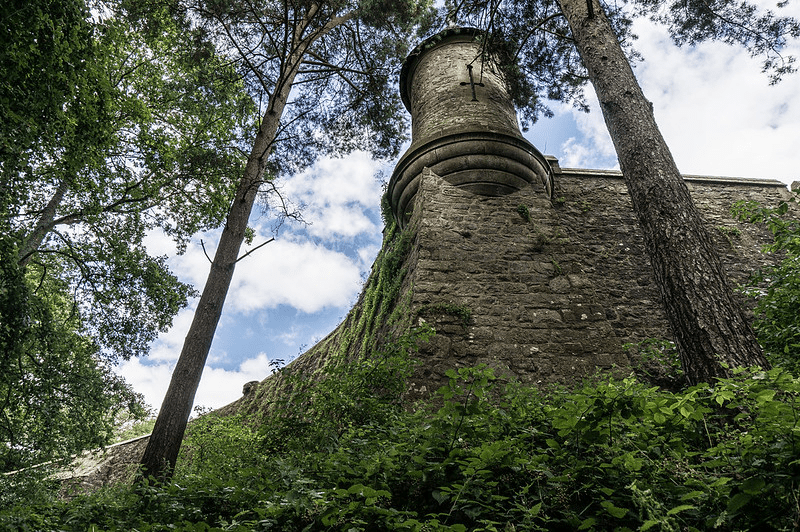
What is your magic or technology or supernatural power SYSTEM? A system churns like an engine; these are the perpetuating processes that evolve and explode your narrative’s aether {i.e. inner power}. However your magic or technology is *evolving* is likely to be a central concern to your plot. // I like to get creative in the castle’s Tower. I say go crazy with your magical technologies! The whackier the better in my book.
Taboos: Secret Underworld
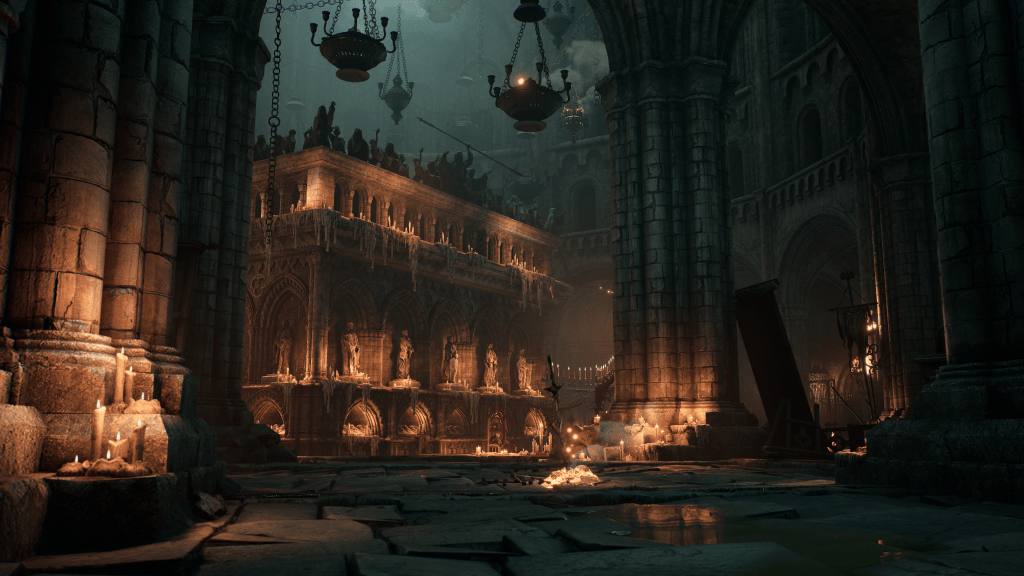
Every world has an underworld. Whether literally or figuratively, what is your world’s dark side? How do the crime syndicates operate? What is considered forbidden knowledge? Where are the forgotten monsters or magicks? How does your underworld affect your overworld? // Read about the Jungian Shadow & Collective Unconscious for more details on how to effectively incorporate an underworld into your narrative.
NAMES!
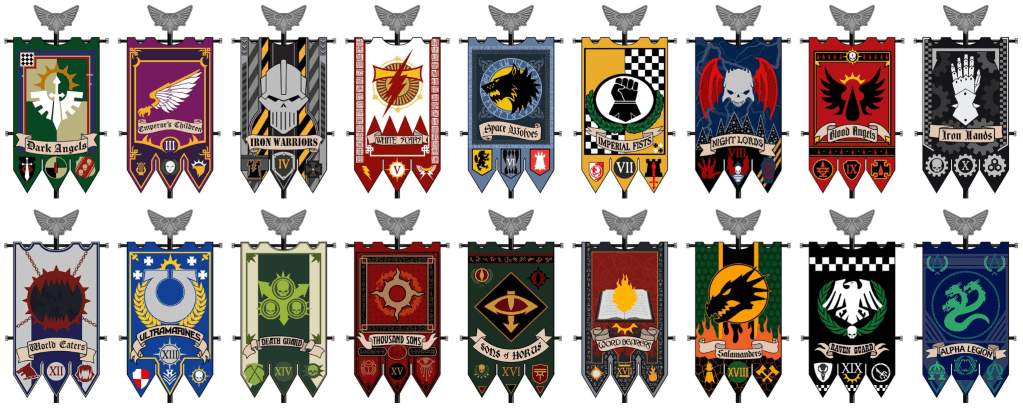
NAMES! ALL CAPS because: this is super important and perhaps the most maddeningly difficult element of world-building. What do you name everything? {Holy hell that’s a lot of making up names!} Don’t want to be generic but cannot go too far with syllables or weirdness. What sounds coolest? What sounds right for this world? // Hard to prescribe methods of good naming conventions; my primary advice: follow your heart. (Or try random name generators and then improvise your way through from there.)
Let that sentiment ring throughout the world-building creative process:
Follow your heart and have fun with it.
I hope you enjoyed this transmission. Happy writing and world-building. Look forward to touring {or haunting} your castle one fine day.
Godspeed,
Dylan

 Thresholds of Transformation