~ a short essay on Danny Boyle‘s zombie saga.

“Memento mori, remember you must die. Memento amori, remember you must love.” ~ Dr. Ian Kelson
28 Days Later begins with scientists in London force feeding chimps a vast matrix of our global news media. Animal activists open a cage on a murderous monkey…and the rest is history. One month later, Cillian is awakening from a coma into an empty London blighted by packs of raging red-eyed freaks, relentlessly hungry for human flesh. Instantaneous turns and speed, speed, speed is the name of their zombie game. The Rage Virus does not produce decay but *animus*; the plague acts fast and violent and sure, the worst of all worlds. “People killing people” is the world before and after the virus according to the last bastion of United Kingdom authority, Major Henry West. But it’s a new world at least. Where hope may die but control can be wrested in the chaos. It appears humans adapt fast, even during free-fall.

28 Weeks Later picks up on a London finally cleared of infected, after weeks of harsh death and mass bloodshed. A small population tentatively returns under the overwatch of a U.S.-led NATO force. Snipers peek from roof tops to prevent quarantine breakers. A father abandons his wife to die and greets his children coming back from a most fortuitous vacation at the time of the outbreak. The peace is a lie. The rage returns as karma bounces back on the father and he reinitiates the plague of death himself. London must be re-cleansed with fire bombs. A cure is in play, in the blood of an infected child with no symptoms, en route to Paris to drench the European mainland with a fresh coat of blood.
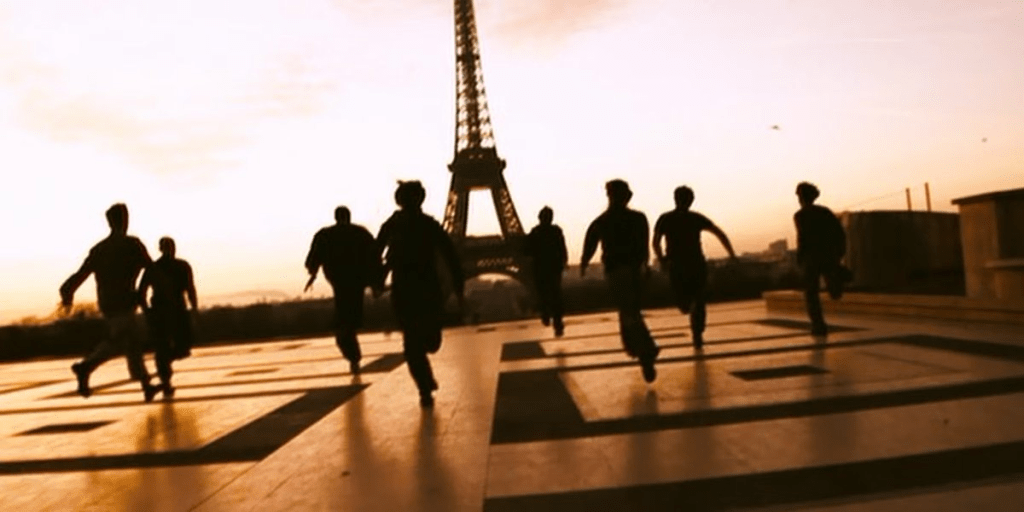
28 Years Later the virus is confined back to the British islands alone, where infected roam free and a permanent quarantine takes effect. Survivors gather on smaller coastal isles in order to rebuild their civilization as best they can. The Scots have returned to proverbial castle life, with archers at the gate and artisans inside the walls reinventing traditional ways. A father and son take on a rite of passage together: a return to the Rage-filled wilderness of the mainland, where young Spike can score his first kill with a bow and arrow. All the while, his mother ails with an unknown sickness, knowledge of medicine again become sparse. What follows is a coming of age odyssey wherein a young boy becomes a man, learning the harsh truths of the world outside and the harsher realities of attempted family life on the frontier of apocalypse. Dr. Ian Kelson stands tall as both a local madman and a lastingly beautiful soul. He says: Death is to be venerated as it is coming for us all; that is precisely why we must celebrate Life so ardently.


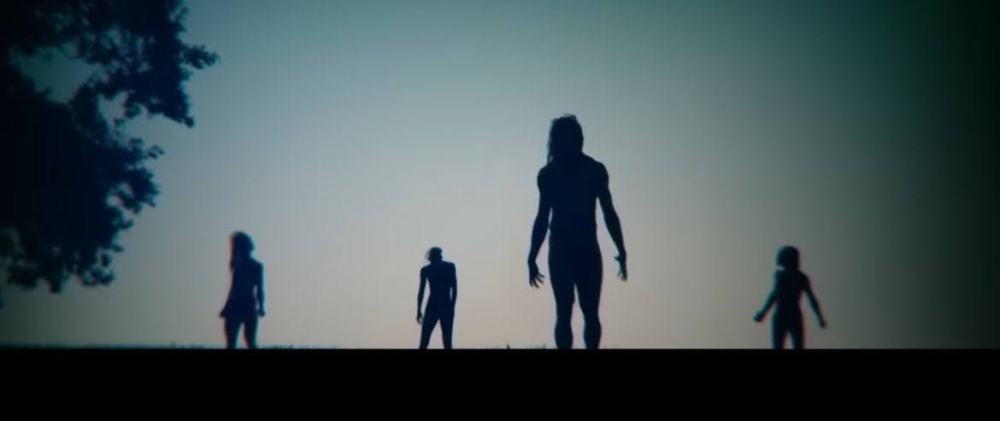
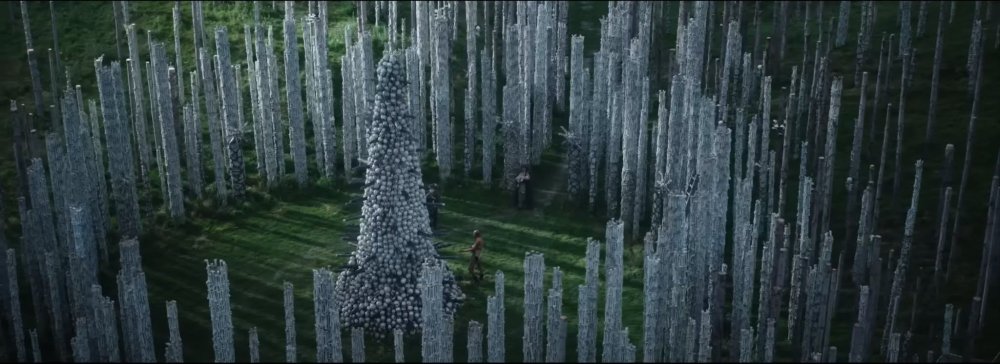
28 Eons Later we can only hope that human beings are still roaming the lands of this place called Earth. Still hunting and gathering, collectively reveling in our victories and caring for our mothers. With every gradation of extremifying conditions and every revolution for bloody survival, we learn that the human being is resilient. So is the violence. Perhaps so is the virus. We must not forget our past, and yet we cannot not succumb to blinding traditions or petty nostalgias or a “purifying” return to old wars. So much time later, so much experience under humanity’s belt, we have to believe some *transcendence* is possible ~ of mind, body, and soul ~ lest we allow that rage to resume its ravages.


 Thresholds of Transformation