Howdy, readers & writers, welcome to #WritingCamp🏕️ 2026, a hashtag I made up for fun to give me an excuse to write out some writing craft advice, models, and lore over the course of the summer months.
I have been posting daily writerly tips, tricks, and tactics.
Here is a running archive of the camp poasts thus far:
#1 – Likable Toons
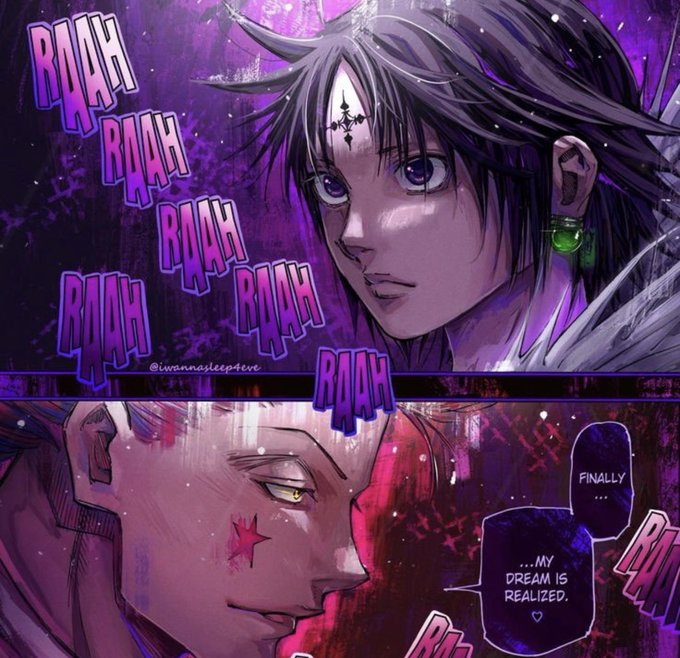
How do we craft likable characters? Do we need them likable?
Yes and no. Some replace with “interesting” — use your own adjective. Ultimately we want our main characters to be something folk stick around for.
Your characters should delight YOU.
#2 – Reading
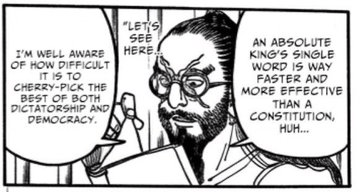
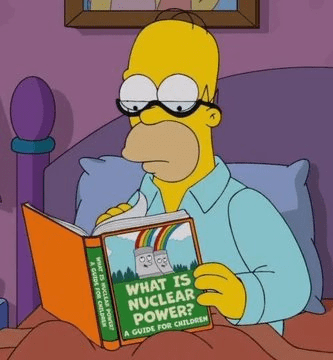
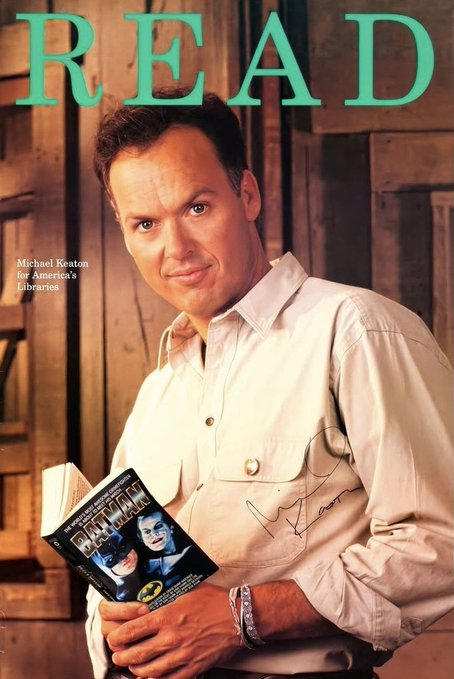
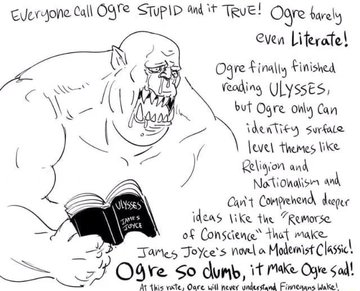
What to read? How much to read? Do I need to read my comps? Yes, yes, and yes.
You should read as much as you can. But remove the “need” and embrace your intuition. What do you want to read?
What you wish to write will inform your reading diet.
#3 – Outlining
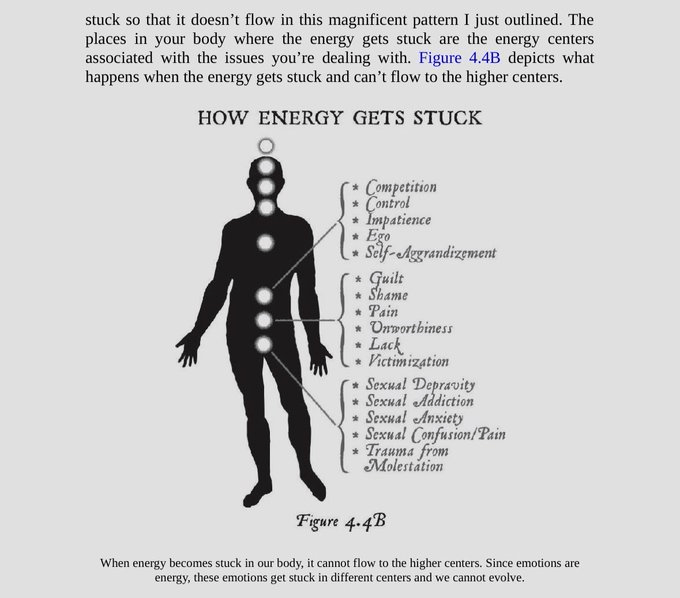
Outlining Outlining is important for most authors. It becomes a question of ‘how much?’
I tend to improvise short fiction and detail outline my novels, because I find the structure helps excite me – and force me to write!
For me, outlining motivates.
#4 – Tips & Tricks

Top tips for writing well:
1. Read!
2. World-Build via your IRL exp & stimuli
3. Character Conflicts = Dialectics
4. Use “visions”
5. ‘Think of where the camera will be’
6. Outlining: try Hero’s Journey 1st
7. Make something you Love
ARTICLE: Top 7 Creative Writing Tips
#5 – My Canon


My personal canon of Great Books every author could benefit from:
– Homer’s Iliad & Odyssey
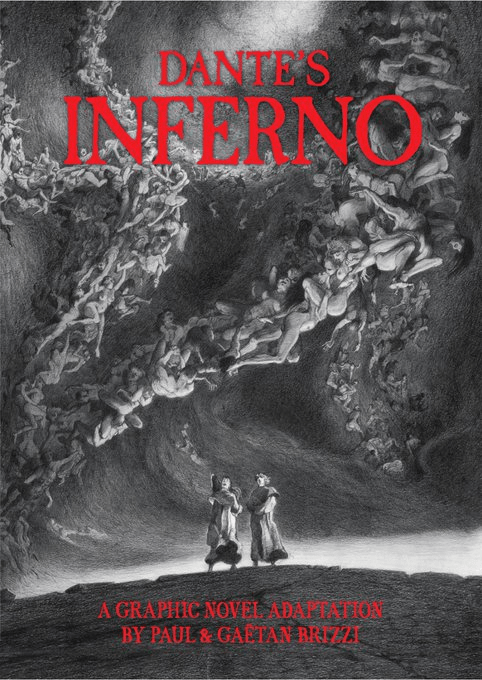
– Dante’s Inferno & Milton’s Paradise
– The Bible
– Frankenstein (1818) – Shelley
– LOTR (1955) – J.R.R. Tolkien
– Dune (1965) – Frank Herbert
– Neuromancer (1984) – William Gibson
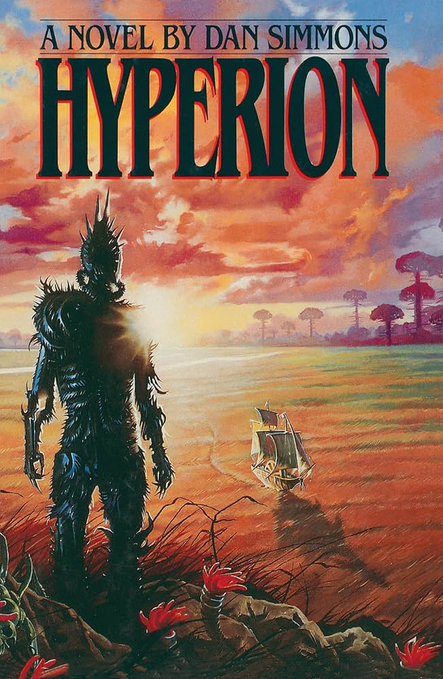
– Hyperion (1989) – Dan Simmons
– Cormac McCarthy & Ursula K. Le Guin
#6 – Story Circle
Dan Harmon, writer of Community and Rick & Morty, utilizes the ‘Story Circle’ variation of the Hero’s Journey. Useful way of quickly determining the motive x action x meaning of your story. Whether it is an episode, short story, or novel.

#7 – Chaptercraft
I started with fiction doing short stories. Twilight Zone & Goosebumps inspiration. And going into novels I have found that I end up writing *chapters* similar to short stories: a) by length (3-5K words) as well as b) micro-story arcs. 🃏
For me, it does help to think of a novel as almost like 20-30 short stories, with each chapter being like so.
That’s another good rule of thumb – a standard size 300-pager novel is gonna shake out to about 20 chapters @ 4K words = 80K
A *long* novel will have 30+ chapters.
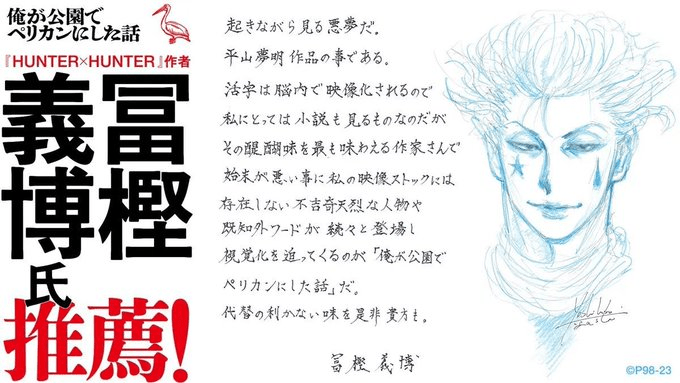
translation: It’s a nightmare you have while awake. I’m referring to a work by Yumeaki Hirayama. “For me, printed words are visualized in my mind, so novels are something to be seen, but the author who best embodies this is ‘The Story of What I Did to a Pelican in the Park,’ which is troublesome because it features a succession of ominous and bizarre characters and insane words that don’t exist in my mental stock of images, forcing me to visualize them.” Experience this irreplaceable flavor for yourself. ~ Yoshihiro Togashi Author of ‘HUNTER×HUNTER
#8 – C.S. Lewis Advice
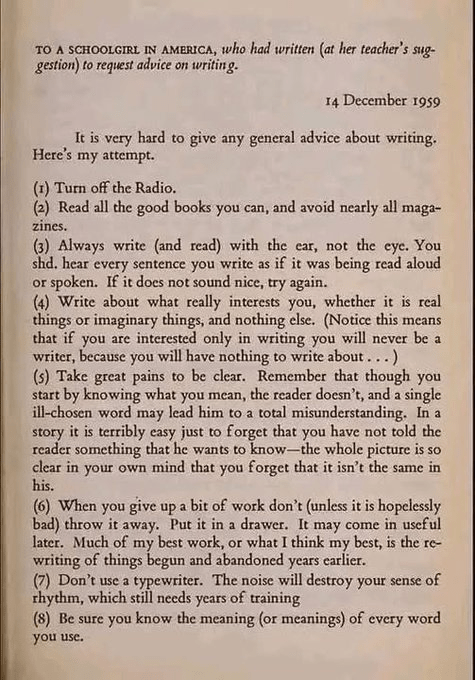
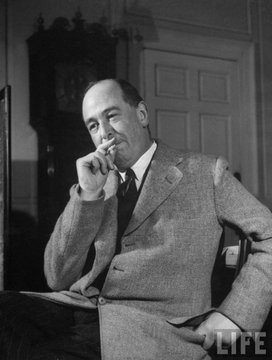
A short, general list of simple rules for writing from the legendary fantasy author and Christian philosopher C.S. Lewis:
1. Quiet Zone
2. Read good books, no mags
3. Ear not Eye, read aloud
4. Pursue *interests*
5. Be clear
6. Keep abandoned work
7. Seek a ‘rhythm’
8. Use a dictionary/thesaurus
#9 – Hero’s Journey
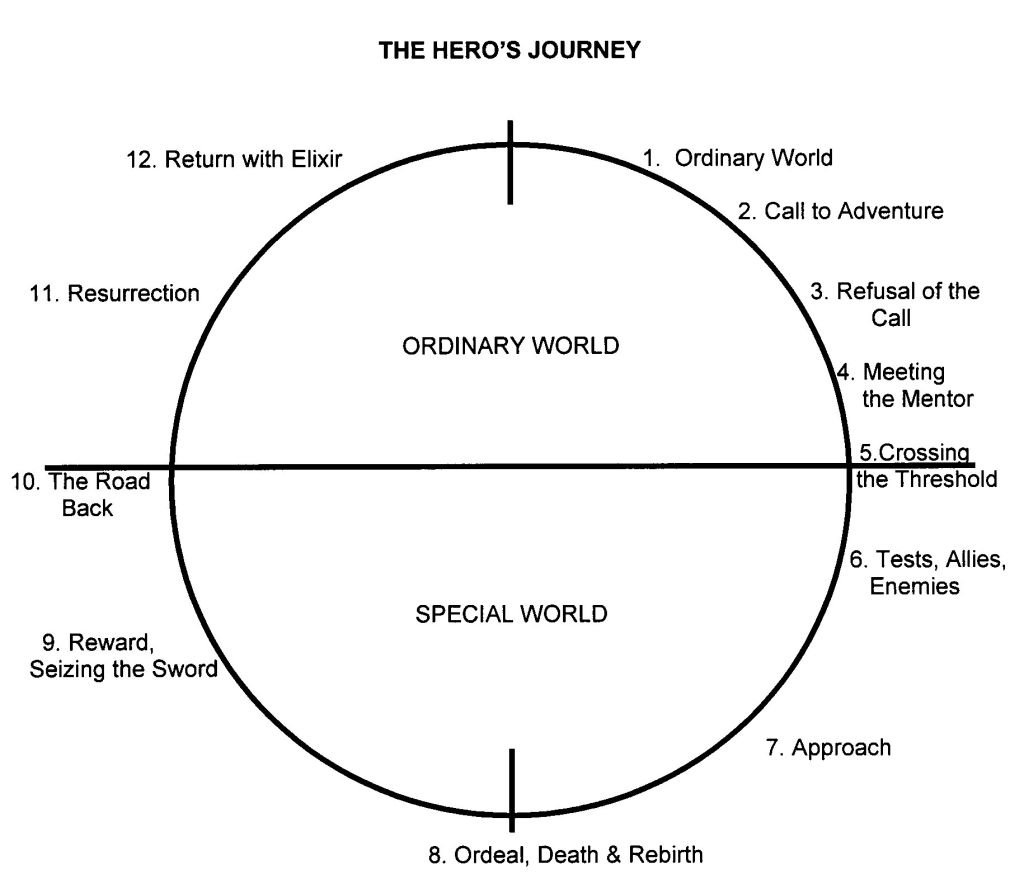
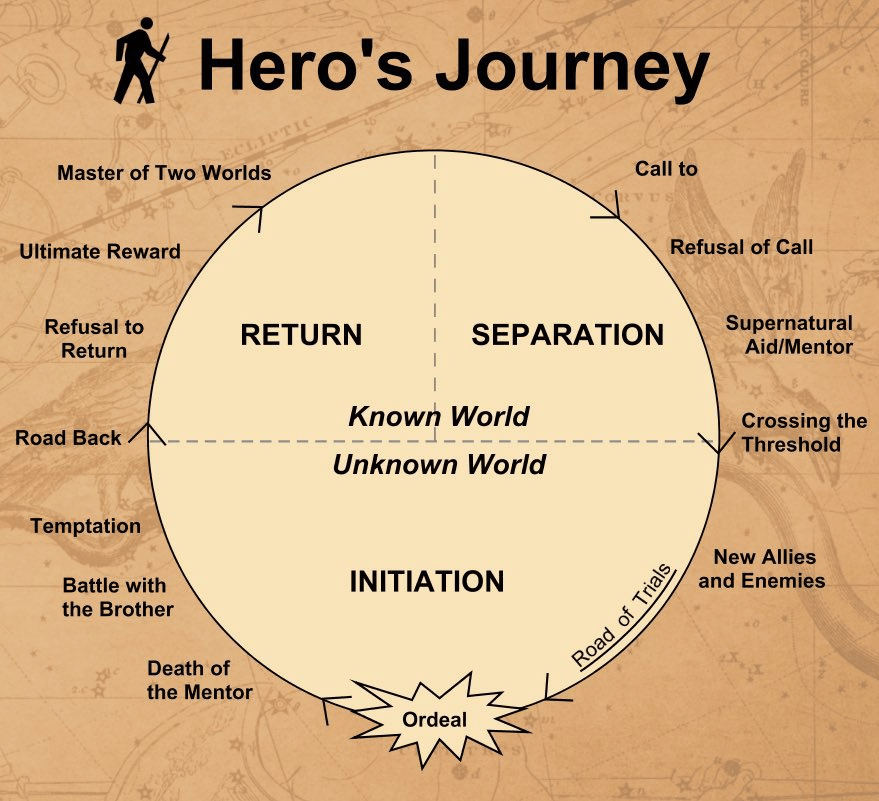
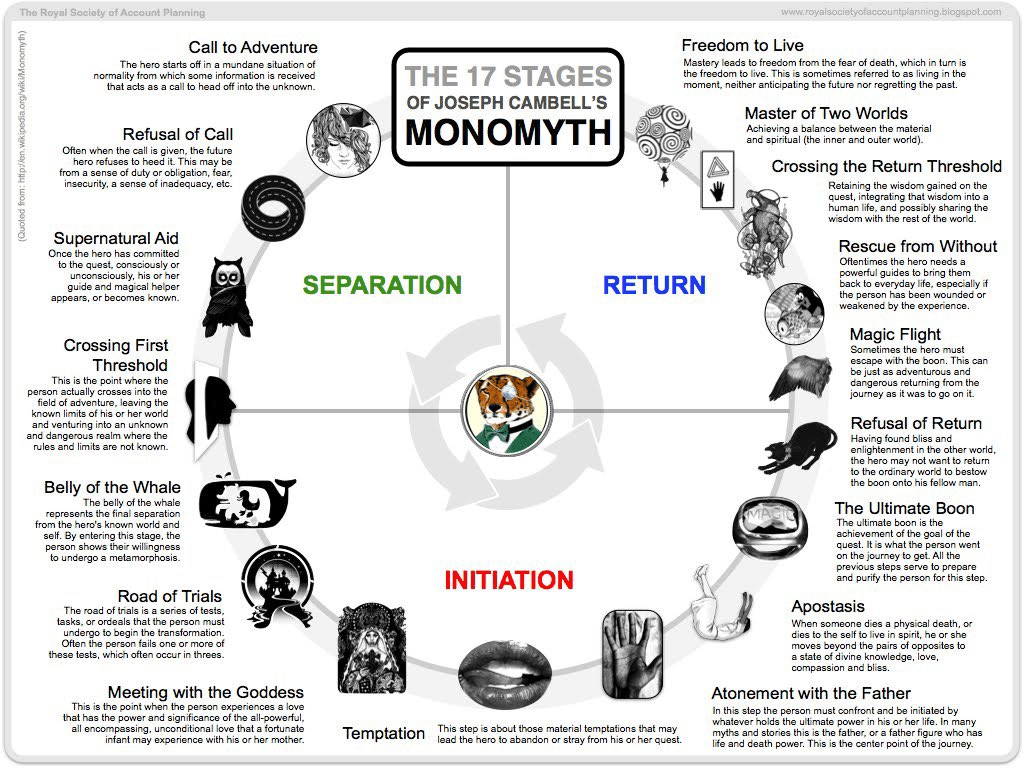
Hero’s Journey:
- Ordinary World
- Call to Adventure
- Refusal of the Call
- Meeting the Mentor
- Crossing the Threshold
- Tests, Allies, and Enemies
- Approach
- ORDEAL, Death & Rebirth
- Reward, Seizing the Sword
- The Road Back
- Resurrection
- Return with Elixir
Classic archetype. Modern screenwriter formula. Infinite variations, the core is: 1) Ordinary World > 2) Ordeal in Special World >> 3) Transformation into New World.
Heroes meet mentors, endure trials, delve caves, duels nemesis, wins love. 🌄
#10 – Emotions

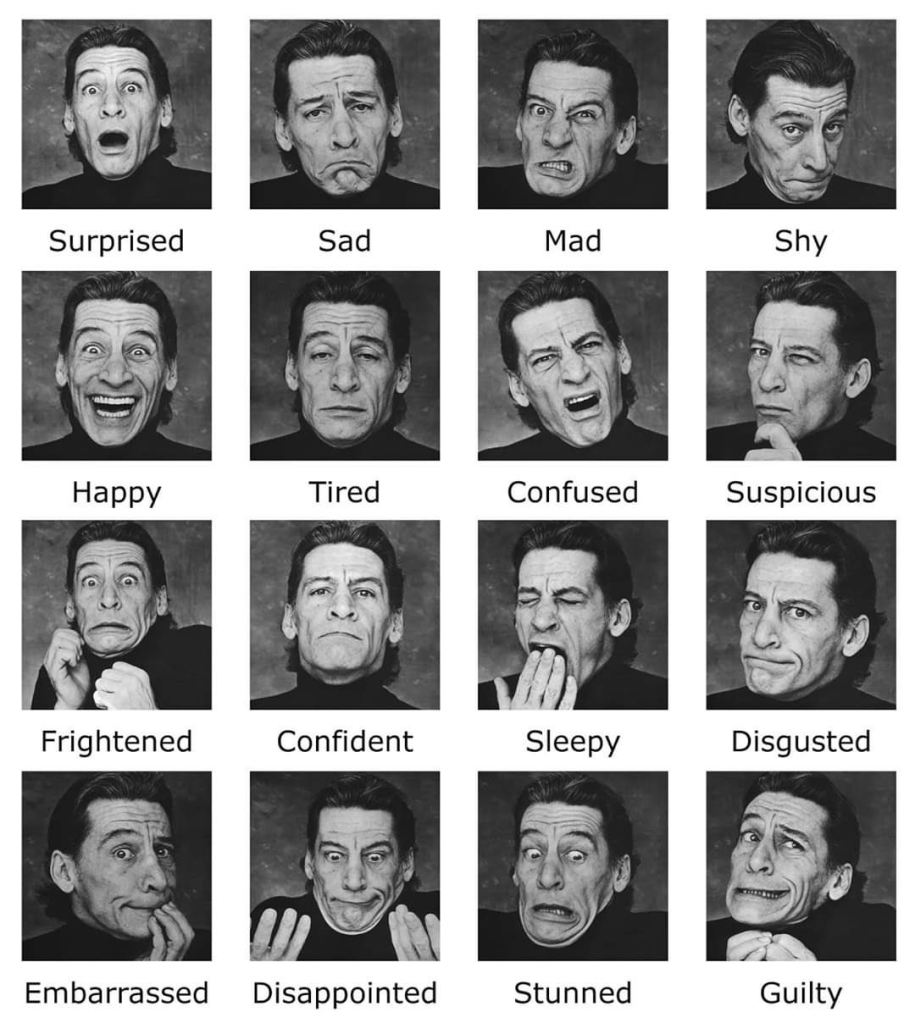
Big Show vs. Tell dilemma when it comes to character emotions: 😁🥲🥰😜😡😨
You can say “he was angry”
But also: “he slammed the door / grit his teeth / stormed out” etc.
Literature makes up a tapestry of word, action, reaction, and sensation.
Many times we don’t even know our exact emotions, or there’s a mix that muddies all to our awareness. Our words, reactions, and major choices while in such a state will reveal more.
And writing that best you can is your charge, using showing (more) and telling (less).
Why show >> tell ?
Because showing in actions / setting / metaphor and more is evocative — it is more memorable and emotionally impactful for the reader to see. They may draw inferences, make mental progressions.
‘Telling’ has its place too!
When it fits sitch or character.

#11 – 3-Act Play
The play is the original story structure.
Splitting your work into three helps organize your mental during the outlining process. The beats within the Acts can be customized, but the vibe is based on the phase:
Inciting > ACTION > Denouement

#12 – Dialogue
Dialogue is as variable as characterization. Tied as one. Everyone speaks, reveals information, and verbally challenges others differently.
Your dialogue should fit your story.
Keep it short but rich, expand as you find the voices. 🗣️

#13 – Scenes
Scenes are the building blocks of your story.
Everything happens here as segments.
Scene accomplish:
Character x Plot x Theme x Intrigue
(what’s next?!)
5 ways to start a scene:
- ACTION!🏃♀️
- Summary
- Intro your narrator
- Setting
- Dialogue


#14 – Bad Words

Overused & Filter Words. ❎
We should generally avoid them.
He saw the bird smash into the window.
vs.
The bird smashed into the window.
She realized there was a heavy weight harrying her heart.
vs.
A heavy weight harried her heart.


#15– Conflict
Conflict is the heart of the story.
Use time, space, and relationships to create and relish conflicts.
Daffy-based Examples:
Man vs. Nature
vs. Man
vs. God
vs. Society
vs. Self
vs. No God
vs. Technology
vs. Reality
vs. Author

#16– Frank Advice
Bits of writing advice from comics legend Frank Miller:
- start as near to the conflict.
- put your characters in BIG trouble – then force ‘em to make bigger decisions.
- explore and enjoy your setting.
- study the canon; watch cinema.

#17 – Art of Sentence

Sentence rhythm is something that comes with practice & repetitions.
After delivering a big sentence, it is generally best to offset with a short one. Weaving together long-short, and simple-complex, are vital ways & means for the writer.
#18 – Drafts
Draft 0 = your outline on-page
Draft 1 = raw prose output
Draft 2 = sharpen into elegance
Draft 3 = word-by-word deliberation
Draft 4+ = find fresh reading & revising
Feedback helps once it is readable enough, conclusion of Draft 2+

One key tip for coming up with novel revisions when editing late into Drafts 5+
= Read your manuscript backwards, meaning starting from the last chapter and then moving backward to the start.
Good way to create a fresh outlook on material you have been pouring over and over
I generally need 7-8 drafts or more with my stories before approaching publication.
For handing off to an editor, Draft 4-5 is solid plan.
#19 – Beats
Story beats are milestones, key moments, and turning points that provide a structure, or ‘saying,’ to mark your outline.

Examples:
- Opening Image
- Set Up
- Inciting Incident
- Debate
- Theme Stated
- Fun & Games
- Midpoint
- Dark Night of the Soul


#20 – 3 Scene Types
Promise – lay the ground work, plant the seed. ~Establishing + Foreshadowing.
Transition – moving, summarizing, shifting the plot along. ~Connective Tissue.
Payoff – the fruitions of your events & characters. ~Catharsis & Resolution.

#21 – Writer’s Journey
Vogler’s creative writing tips:
- Archetypes! – they will guide your story {Ex: Hero, Mentor, Threshold Guardian, Shadow, etc.} 🦸♂️
- Use parts or all of Hero’s Journey. Call > Threshold > Tests > Ordeal > Elixir 🌀
- Study ‘Polarity’ ☯️

My review of the 25th anniversary of this book, which includes some updated text and a robust appendix covering more advanced topics such as ‘Polarity’ and ‘Catharsis’ and how the wisdom of your body can help keep you on the path: https://zsoro.substack.com/p/the-writers-journey-review
#22 – Stuck Strats
Strategies for being stuck — where do you go next in the story?
- Write down loose ends
- Ask questions
- Interview your characters
- “what is this scene about?”
- just free write for 5 minutes
- go back to the outline
- take a walk 👣


#23 – Errors
Writing Mistakes: not grammar but style and plotting and missing beats or elements…
- too fast/slow pacing
- exposition overload
- tepid characters
- no motive or stakes
- overwriting
- lack of conflict!
‘Mistakes’ can be objective, or subjective.


#24 – Steinbeck

Legend John Steinbeck advice:
- No finish line; keep mind midway
- Free write first
- Base your ‘audience’ on a single key reader – write to them
- Keep momentum, bypass hard scenes then return
- Beware darlings
- Speak dialogue aloud

#25 – Tropes
Tropes are vital architecture for the storyteller. Readers even seek them out now and they’ve become part of book marketing. Nothing wrong with that imo. It is best to know them well. Each genre has different ones, every creator favors their own. ❄️


#26 – 1-2-3 Draft Advice
Draft 1: Make it exist
Draft 2: Make it functional / solidify structure, make it work
Draft 3: Make it effective / refine your craft and make your prose sing!

#27 – Be You
Excellent & evergreen advice by @Massawyrm for all creators.
Always consider ‘the alchemy of YOU’
Saved this in my big writing tips & tricks Trello board back in 2019.

#28 – Chapter Structure
Chapter advice:
- Emotional State | Motive
- Objective x Conflict(s)
- Worldview > Tactics
Thinking of chapters primarily in terms of character action over events happening is the way.

#29 – Kerouac Techs
Prose & Life tips from Jack Kerouac:

#30 – Bodily Emotions
How & Where we FEEL.
Expressing character emotions in writing can be challenging. Best practice is to use the body / actions as much as words.
And even more important than the emotions is our characters’ reaction to theirs and others.

#31 – LAST DAY
King advice: write a lot, read a lot.
Simple. But true. And hard.
Stay frosty, writers.
Keep writing. ✍️✍️✍️

#WritingCamp #writingcommunity #writers #writer #author #authors #authorcommunity #summerreading #SummerClub